
About Scott Rayment
Meet Scott Rayment, the sports podiatrist behind DynamicStep. Evidence-based ankle rehab grounded in real athletic experience, published research, and a genuine belief in getting the timing right.
SPORTS PODIATRYFOOT AND ANKLE
Scott Rayment
1/15/20264 min read
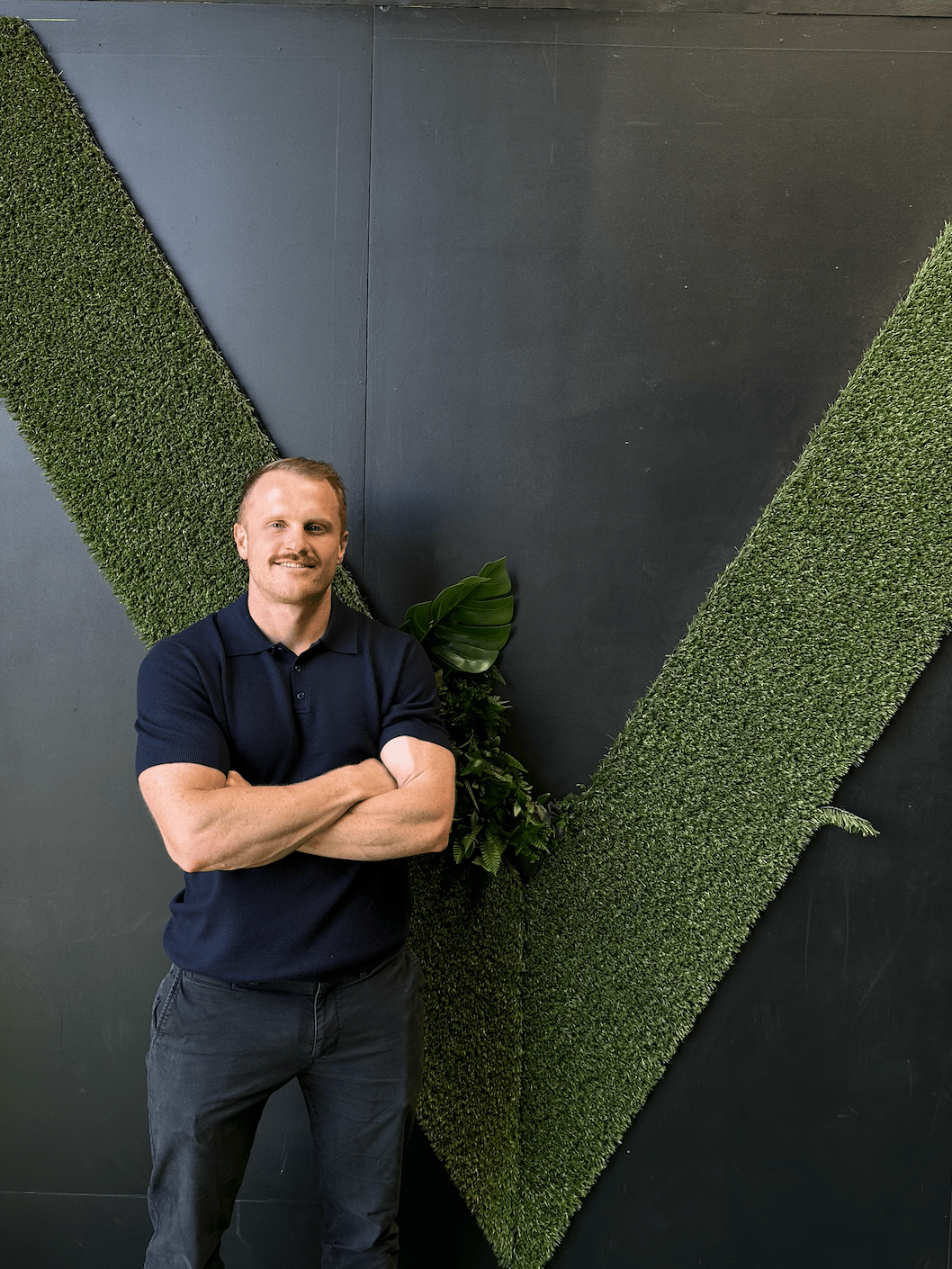
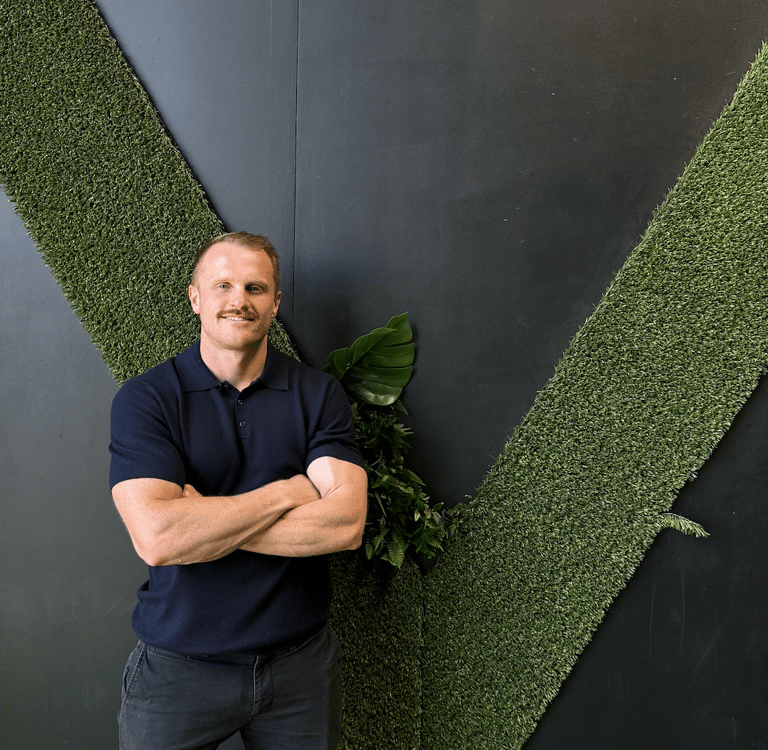
My name is Scott Rayment, and I wanted to do sports podiatry from the moment I finished university. Not general practice, not a bit of everything, specifically the musculoskeletal side of foot and ankle care. That meant going out and building the experience myself, spending time in sports medicine clinics alongside physiotherapists and sports doctors, seeking out mentorship from an accredited sports podiatrist, and putting in the professional development outside of clinic hours that nobody was going to hand me.
Part of that comes from my own life outside the clinic. I train, I run, I've played representative basketball, and I've had my own injuries along the way, including a patellar tendon issue I put off for too long. That one taught me something I now bring into every consult: pain easing off once you're moving doesn't mean the tissue is fine underneath. I still manage that leg differently to the other one, years later. I understand what it means to actually want to get back to sport, not just to walk without pain, because I've been on the other side of that exact frustration.
How my approach differs
The foot and ankle is a narrow part of the body, but the scope within it is genuinely wide. It's not just biomechanics. It's vascular, it's neural, it's dermatological, all working together in one part of you that has to carry the load of everything else you do. Understanding that properly, rather than treating whatever symptom happens to be loudest that day, is what drew me to this in the first place.
I don't believe in any single tool being the whole answer. Orthotics are a good example. I use them as one part of a broader plan, alongside strength and conditioning, footwear guidance, gait retraining, or hands-on treatment, never as the default, and never because they're the easy thing to reach for. What matters to me is the actual cost-benefit to the person in front of me, not what's most convenient to prescribe.
Multi-Disciplinary Teamwork
I have experience working as the principal podiatrist in the rooms of a Foot and Ankle Orthopaedic Surgeon, screening and assessing complex referred patients. That role has sharpened how I read imaging and think through complicated presentations, and it's shaped how I think about when conservative treatment is genuinely appropriate and when it isn't.
I don't see myself as the only person who should be involved in someone's care. If I see a gap further up the chain, hip or knee strength, for example, I'll bring in a physiotherapist. If something needs a surgical opinion, or soft tissue work outside what I do, I'll refer for that too. Good outcomes usually come from the right people working together, not from one person trying to hold onto every part of the process.
Evidence Over Assumption
I believe in testing what we think we know rather than just assuming it's true. That's part of why I got involved in research investigating what actually drives pain in first MTP joint (big toe) osteoarthritis using MRI imaging, published research now, not just a hunch. A lot of clinical practice runs on reasonable assumptions that have never actually been tested. I'd rather know.


What I Believe About Timing
There's no such thing as seeing someone too early. There can absolutely be a point where you've waited too long. Whether that's a niggling pain that's been sitting there for a few weeks, or a recurring issue you've been told is "just part of it," I'd rather look at it properly now than have it become a bigger problem later.
The Practical Side
I treat a wide range of foot, ankle, and lower limb conditions in clinic, from heel pain, Achilles issues, and shin splints, through to stress fractures, ankle instability, knee pain, sesamoid injuries, and complex or chronic presentations that haven't responded to standard treatment elsewhere. To achieve positive outcomes, I often utilise biomechanical assessments, running gait analysis, orthotic therapy, footwear guidance, exercise prescription and rehab, imaging review, and return-to-sport planning. I hold an Endorsement for Scheduled Medicines, which allows me to prescribe selected medications and administer corticosteroid injections where clinically appropriate.
I focus specifically on biomechanics and sports-related conditions. I don't offer general podiatry services like nail or skin care, my focus is squarely on helping people move well and get back to what they want to be doing.
Qualifications:
Bachelor of Applied Science and Master of Podiatric Practice
Bachelor of Science (double major in Immunology and Physiology)
Endorsement for Scheduled Medicines (ESM).
Professional memberships: Sports Exercise Podiatry Australasia (SEPA), Sports Medicine Australia (SMA), Australian Podiatry Association (APodA).
Beyond the Clinic
I also share evidence-based foot and ankle education online, breaking down the research, the misconceptions, and the practical stuff that actually helps people understand what's going on with their own bodies. If that's useful to you, you'll find more of it across my socials.
Getting Started
DynamicStep is where I've put all of this into one structured system.
If you're dealing with recurring ankle sprains or a sense of instability that's never fully resolved, start with the free CAI self-assessment tool to get a clearer picture of where you actually stand.
From there, the Foot and Ankle Performance Course walks you through a 12-week, checkpoint-based path back to full confidence in your ankle, built around everything above: evidence over assumption, addressing the actual problem rather than a piece of it, and getting the timing right.